Moab in the Bible: A Picture of Compromise, Seduction, and the Possibility of Redemption
In the Bible, Moab is both a person and a people group. Moab was the son of Lot, Abraham’s nephew, born out of an incestuous relationship after the destruction of Sodom (Genesis 19:30–38). His descendants became the nation of Moab, who settled east of the Dead Sea.
Throughout the Old Testament, when Scripture refers to Moab, it is usually speaking about this nation. The Moabites had a complicated and often hostile relationship with Israel. At times they opposed God’s people directly, such as when they tried to curse Israel through Balaam (Numbers 22–24). At other times, their influence was more subtle but equally destructive, as they led Israel into idolatry and immorality (Numbers 25). Their worship of the god Chemosh, which even included child sacrifice, revealed how far they had drifted from the ways of the Lord.
Spiritually, Moab comes to represent more than just a neighboring nation; it becomes a picture of compromise.
Unlike distant enemies like Egypt or Babylon, Moab was close to Israel geographically and relationally. This closeness reflects a deeper spiritual reality—Moab symbolizes the kind of compromise that exists near the things of God but is not truly surrendered to Him. It represents a life that may look familiar with truth but is shaped by the flesh rather than obedience.
One of Moab’s most defining characteristics in Scripture is its role in seducing Israel into sin, not through force, but through enticement. This highlights a powerful spiritual principle: some of the greatest dangers to our faith are not obvious attacks, but subtle invitations that slowly pull our hearts away from God.
The prophets also describe Moab as a nation marked by pride and self-sufficiency.
Passages like Isaiah 16:6 speak of Moab’s arrogance, showing a people who trusted in their own security rather than depending on the Lord. In this way, Moab represents the danger of living independently from God—being close enough to know about Him, but distant enough to rely on oneself.
Moab: No Background is Beyond Redemption
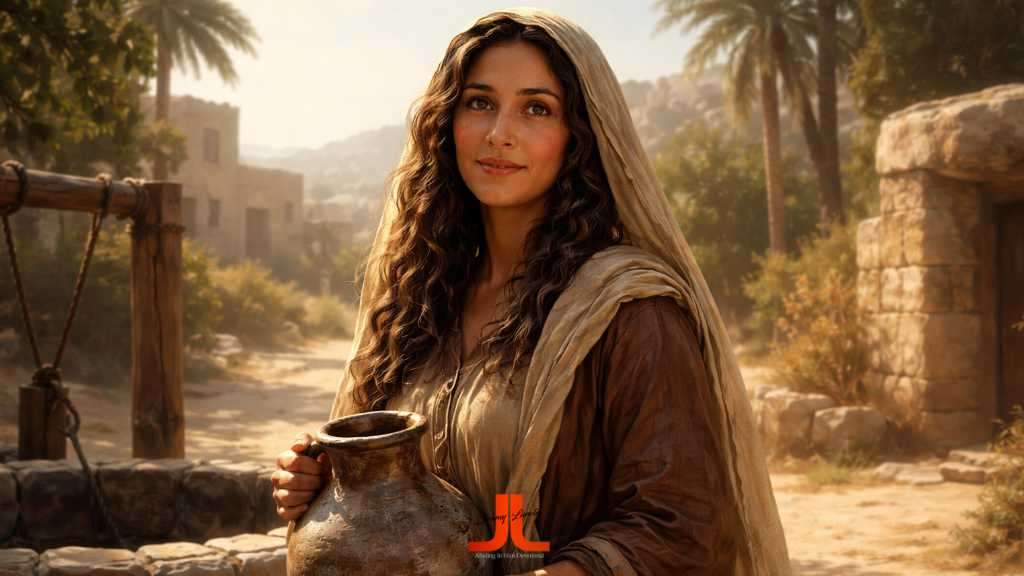
Yet, the story of Moab is not without hope. Ruth, one of the most faithful and humble figures in Scripture, was a Moabite. Her decision to leave Moab behind and cling to the God of Israel reveals that no background is beyond redemption. She becomes part of the lineage of Jesus, showing that God’s grace can redeem even those from places marked by compromise.
In the end, Moab stands as both a warning and an invitation: a warning against subtle compromise and pride, and an invitation to turn fully to God and be restored by His grace.